How to Clean Resin Patio Chairs Without Hurting the Finish
Resin patio chairs are made for outdoor life, but sun, dust, pollen, pool splash, and everyday spills can leave them looking dull. The finish on resin furniture is usually designed to be tough, yet harsh tools and the wrong cleaner can leave scuffs, cloudy patches, or streaks. A careful routine keeps the surface even and helps the chairs look settled on a patio, by a pool, or around a garden table.
Before cleaning, check what the chair is made from and how it is built. Many outdoor pieces use molded resin frames, woven resin details, or a mix of resin and metal hardware. Those parts can need slightly different care. If a chair has cushions, straps, slings, or wood accents, treat those separately. The goal is to lift dirt from the resin without grinding it into the texture or forcing moisture into joints.
Start with a gentle dry pass
Begin with dry chairs. Loose grit acts like sandpaper when water is added, so remove it first. Use a soft brush, a microfiber cloth, or a handheld blower on a low setting. Pay attention to the legs, the underside of the seat, and the gaps where the seat meets the frame. These spots trap leaves and small stones that can scratch the finish when you wipe.
Check the feet and any glides while the chairs are dry. grit caught under a foot can mark both the chair and the decking. Wipe around the feet, then lift each chair slightly rather than dragging it. If the chair folds, stacking capacity should never be treated as a reason to force pieces together. Stacking only when the chairs are clean and fully dry reduces trapped debris and pressure marks.
Do not start with a stiff scrubbing pad. Even if it removes a mark quickly, it can leave fine scratches that catch dirt later. A soft brush is enough for most loose material, especially on textured resin where dirt sits in the grain.
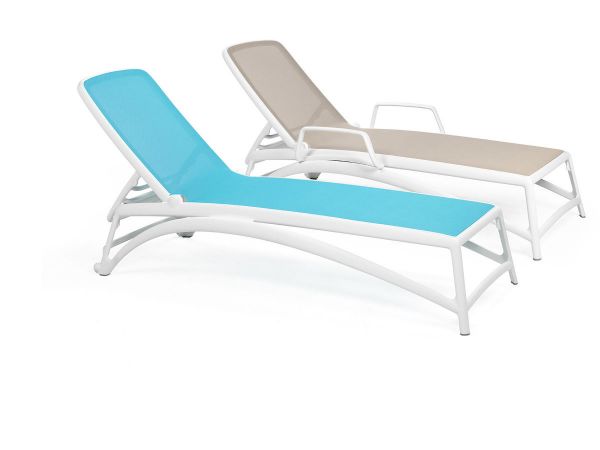
Use a mild cleaning solution
For routine cleaning, mild soap and water is the safest starting point. Fill a bucket with lukewarm water and add a small amount of dish soap or another gentle cleaner meant for outdoor furniture. Mix it well so there are no concentrated pockets of soap. Strong solvents, bleach-heavy products, and abrasive cleaners can fade color, dry out surfaces, or leave uneven patches on the finish.
Dip a soft cloth or sponge into the solution, then wring it out until it is damp rather than dripping. Work from the top of the chair downward. Clean the backrest first, then the seat, arms, and legs. This keeps dirty water from running over areas you have already wiped. Use light pressure and let the soap loosen the soil.
For textured areas, use a soft brush in short, even strokes. Follow the texture where possible instead of scrubbing hard in circles. Circular scrubbing can spread marks across a broad area and make shine look uneven. If a spot resists the first pass, let the damp cloth sit on it briefly, then wipe again. Patience usually beats force with resin.
Keeping a routine matters more than using a stronger product. easy care patio furniture stays in better shape when dust and spills are dealt with before they bake on in the sun. A quick wipe after a meal or pool use is simpler than a long scrub later.
Rinse without soaking the chair
Once the dirt is loose, rinse away the soap. Use a clean cloth rinsed often in plain water, or a hose with a gentle flow. Keep the rinse light around joints, screw holes, and any metal parts. Water that sits in crevices can lead to moisture buildup, especially when chairs are stacked or covered soon after cleaning.
If using a hose, start at the top and let the water run down. Avoid blasting close into weave openings or under the seat. High pressure can drive dirt deeper, lift edges, or force water into hardware areas. Check the cloth you are using for rinsing. If it picks up brown residue, rinse it out before moving to another part of the chair.
Soap residue can attract dust and leave a film that makes the finish look cloudy. A surface should feel clean, not slick. Run a fingertip lightly over a small area after rinsing. If it feels tacky, rinse that area again with fresh water.
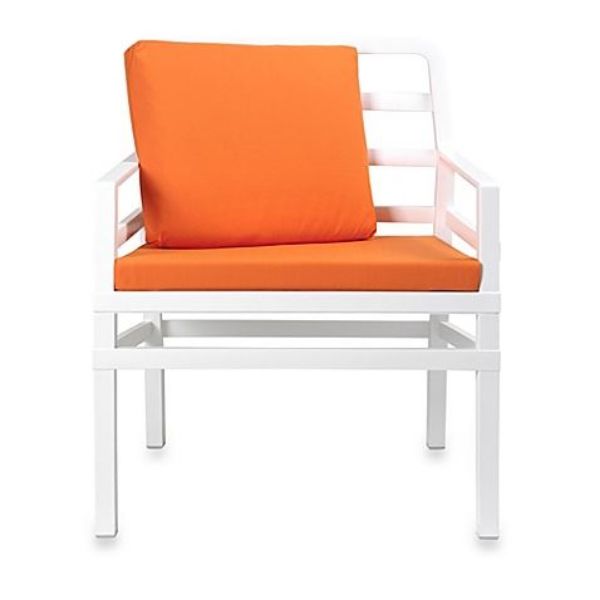
Handle marks and staining carefully
Not every mark needs the same response. Sunscreen, cooking oils, drink spills, and pool products can leave different traces. Start with the least aggressive method. Wipe the mark with mild soap, rinse, and let the chair dry before judging the result. Some stains look dark when wet and fade as the surface dries.
For a localized mark, make a paste with baking soda and water and apply it gently with a soft cloth. Let it sit for a short time, then wipe and rinse well. This can help with surface grime, but it should be used with care on colored or glossy finishes. Test a hidden area first, such as the underside of a seat or a lower leg, and wait for it to dry before treating the visible surface.
Avoid mixing cleaning products. Combining chemicals can give off fumes and may damage the chair finish. If a stain keeps returning after gentle cleaning, leave it alone rather than escalating to harsher products. A mark that is built into a scratch or faded area may not lift with cleaning at all.
Dry before storage or use
Drying is part of cleaning, not an afterthought. Let chairs air dry in a shaded, open area with good airflow. Turn them as needed so water can escape from seams, arm joints, and the underside of the seat. Do not place damp chairs in a closed shed or pull covers over them right away. Trapped dampness can leave musty smells and encourage residue on the surface.
If the chairs need to be stacked, make sure each one is dry first. Moisture between stacked seats is slow to leave, and grit caught between chairs can rub against the finish. A neat stack also reduces pressure on arms and legs, which matters for pieces that are moved often.
Once dry, check the chair again in good light. Look for missed spots along the lower frame, the back of the backrest, and any woven sections. A final wipe with a dry microfiber cloth restores a even appearance and removes water spots before they settle.
Protect the finish between cleanings
Sun care is a big part of finish care. Long periods of UV exposure can make some colors look faded and surfaces feel chalky. Moving chairs into shade when practical, or rotating them on a dining set, helps wear develop more evenly. Protective covers can also reduce dust and pollen, but they should only be used on dry furniture and removed periodically so air can circulate.
Near a pool, rinse splash marks regularly. Pool chemicals and sunscreen can leave a film that regular water alone may not remove. A damp cloth after use, followed by a mild soap cleaning when needed, keeps buildup from becoming stubborn. In garden settings, check for sap, soil, and plant debris, since these can stain if left in warm sun.
Seasonal storage deserves the same care. Before winter storage, clean and dry the chairs fully, then store them in a way that avoids bending legs or pressing woven parts out of shape. Loose hardware should be checked, but small repairs are best handled with the correct replacement parts rather than improvised fixes.
For everyday upkeep, easy care patio furniture benefits from a simple rhythm: remove grit, wash with a gentle solution, rinse well, and dry fully. That routine preserves the look of resin without stripping its finish or pushing water into places it does not belong.